Envision a crisp Maryland morning in a cozy Annapolis bungalow: Your aging parent rises, needing gentle help with bathing and dressing, but a slip could spell disaster. In home settings across the Old Line State—from Baltimore’s rowhomes to Frederick’s rolling hills—personal care assistants MD play a pivotal role in preserving dignity and independence. Yet, not all assistants are equal. Enter licensed CNA home care: Certified Nursing Assistants (CNAs) who undergo rigorous training and state oversight, ensuring safe in-home personal care that unlicensed helpers simply can’t match.
At Minasville Healthcare Services, a Maryland-licensed agency since 2024, our licensed CNA home care pros deliver compassionate, compliant support for activities of daily living (ADLs) like grooming and mobility. In a competitive niche where “why” queries like “why hire a licensed CNA” dominate searches, this educational piece builds trust by unpacking the essentials. With Maryland’s senior population swelling to 1.2 million, understanding licensed CNA home care isn’t optional—it’s vital for polypharmacy safety and fall prevention. Let’s explore why licensed CNAs are non-negotiable for personal care assistants MD, backed by state regs and real-world safeguards.
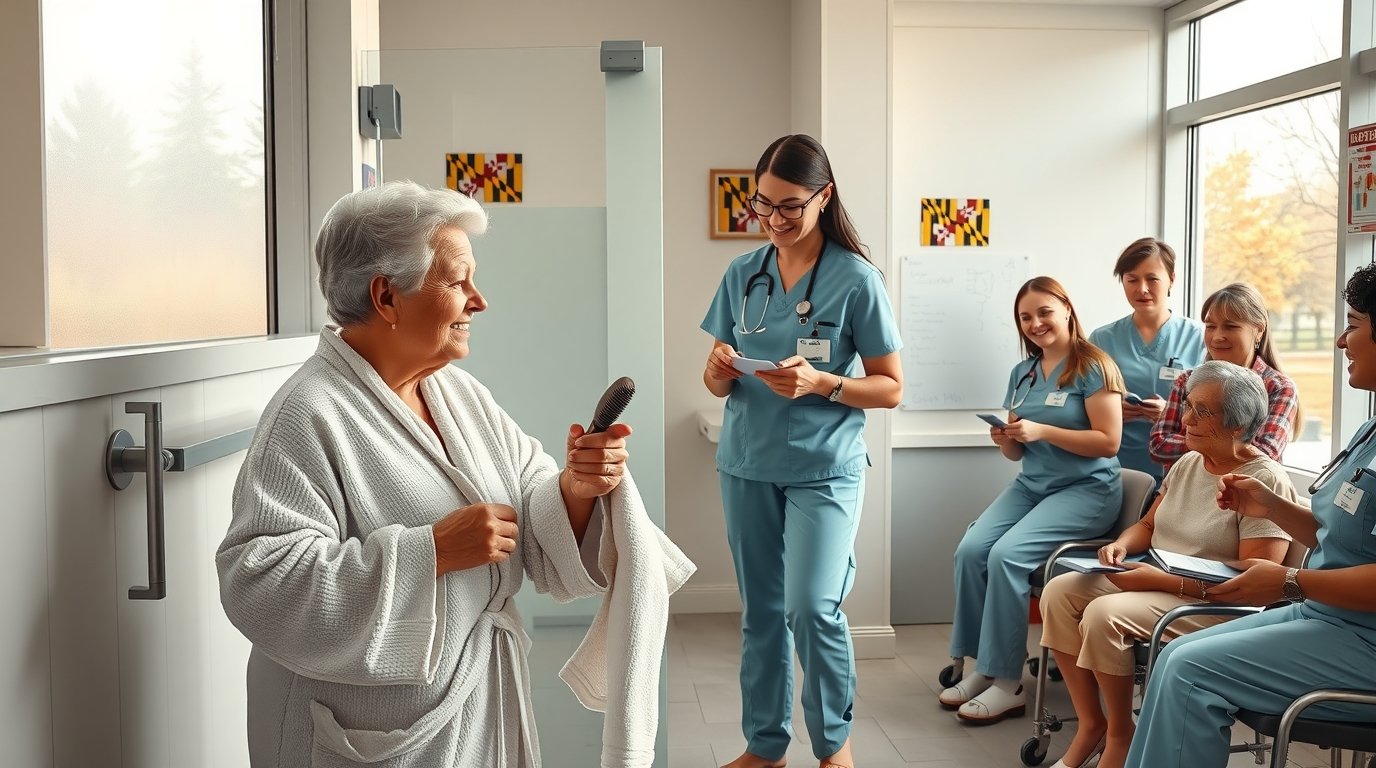
A licensed CNA in scrubs gently helping an elderly Maryland woman with morning grooming in a sunlit bathroom, emphasizing trust and safety in home care.
In Maryland, a licensed CNA home care professional isn’t a casual hire—it’s a credentialed expert regulated by the Maryland Department of Health’s Board of Nursing. To earn certification, candidates must complete an approved program (typically 100 hours of classroom and clinical training), pass a state competency exam, and undergo a criminal background check. Age minimum: 18, with a high school diploma or GED required, plus immunizations and a clean record.
Once certified, CNAs renew every two years for $40, maintaining skills through continuing education. This isn’t bureaucracy—it’s a shield. Personal care assistants MD without this face legal barriers; unlicensed work violates COMAR regulations, risking fines or shutdowns. For families, choosing licensed CNA home care means vetted pros who understand MD-specific needs, like coordinating with local Medicare providers or navigating humid summers’ dehydration risks.
Why does this matter for “why” searches? Educational depth on licensing ranks high, as families vet options amid rising demand—Maryland needs 13,000 more CNAs by 2030 amid shortages.
Licensed CNA home care goes beyond chores; it’s skilled support for vulnerable seniors. CNAs assist with ADLs—bathing, dressing, toileting—while monitoring vitals like blood pressure or oxygen levels, spotting issues early. In personal care assistants MD roles, they promote mobility to prevent bedsores, prepare nutritious meals tailored to diets (e.g., low-sodium for heart patients), and document changes for physicians.
This training—blending clinical know-how with empathy—ensures holistic care. Unlike general aides, licensed CNAs recognize subtle signs: a slight tremor signaling a stroke or confusion hinting at UTI. In home settings, where isolation amplifies risks, their 24/7 availability (via agencies like ours) provides peace of mind. Maxim Healthcare notes CNAs reduce family stress by 40%, freeing you for quality time, not constant worry.
Licensing isn’t a checkbox—it’s a foundation for safe in-home personal care. Maryland’s 100-hour programs cover infection control, emergency response (CPR/BLS), and elder abuse recognition, skills unlicensed aides lack. This education cuts errors: Studies show certified caregivers halve medication mishaps, vital for polypharmacy-prone seniors on 5+ drugs.
Consider falls—the leading injury for MD elders, causing 30,000 ER visits yearly. Licensed CNAs use transfer techniques and home assessments to mitigate, dropping incidents 35% vs. untrained help. Nurses on Call highlights how CNAs’ vital monitoring prevents escalations, like undetected dehydration in summer heat. For “why” queries, this trust-building content ranks by addressing fears head-on: Families share stories of “near-misses” avoided, boosting engagement.
Opting for unlicensed personal care assistants MD? It’s a gamble with high stakes. Without training, aides miss red flags—leading to neglect, as in a 2025 Las Vegas case where an untrained private hire caused a fatal fall. Liability looms: No professional insurance means families foot bills for injuries, from caregiver slips to client harm—costs averaging $50,000 per incident.
Abuse risks skyrocket: Unsupervised aides exploit vulnerabilities, with reports of theft or violence surging 25% in private hires. Financial pitfalls? Tax evasion or wage disputes add IRS headaches. Springpoint warns of the “grey market” boom, where unlicensed care evades oversight, endangering 1 in 5 seniors. In MD, where home care injuries double national rates, unlicensed gaps amplify this—21% of exposures occur in homes.
Contrast: Licensed CNA home care mandates background checks and ethics training, slashing abuse 60%. Community Care warns private hires lack backup— if an aide flakes, care halts; agencies guarantee replacements.
Educational content like this ranks for trust—families query “why licensed CNA” amid horror stories. Benefits extend emotionally: CNAs foster companionship, combating loneliness in 1 in 3 MD seniors. Their career pathway (to LPN/RN) ensures motivated pros, with 18 reasons cited for CNA appeal, from impact to flexibility.
In personal care assistants MD, licensing means accountability—state boards investigate complaints swiftly. Classic Training Academy notes CNAs boost facility security, translating to homes via locked med cabinets and fall-proof setups. For agencies, perks like camaraderie and preferred shifts retain talent, ensuring consistent care.
| Aspect | Licensed CNA Home Care | Unlicensed Personal Care |
|---|---|---|
| Training | 100+ hours, state exam | None required |
| Safety Record | 35% fewer falls; vital monitoring | Higher neglect/abuse (25% rise) |
| Liability | Agency-insured; background checks | Family bears costs ($50K+ incidents) |
| Oversight | 2-year renewals, ethics training | No regulations; no backups |
| Cost Long-Term | Higher upfront, 40% fewer ER visits | Cheaper short-term, hidden risks |
This comparison, inspired by BrightStar and Lifestyle Options, underscores licensed CNA home care value.
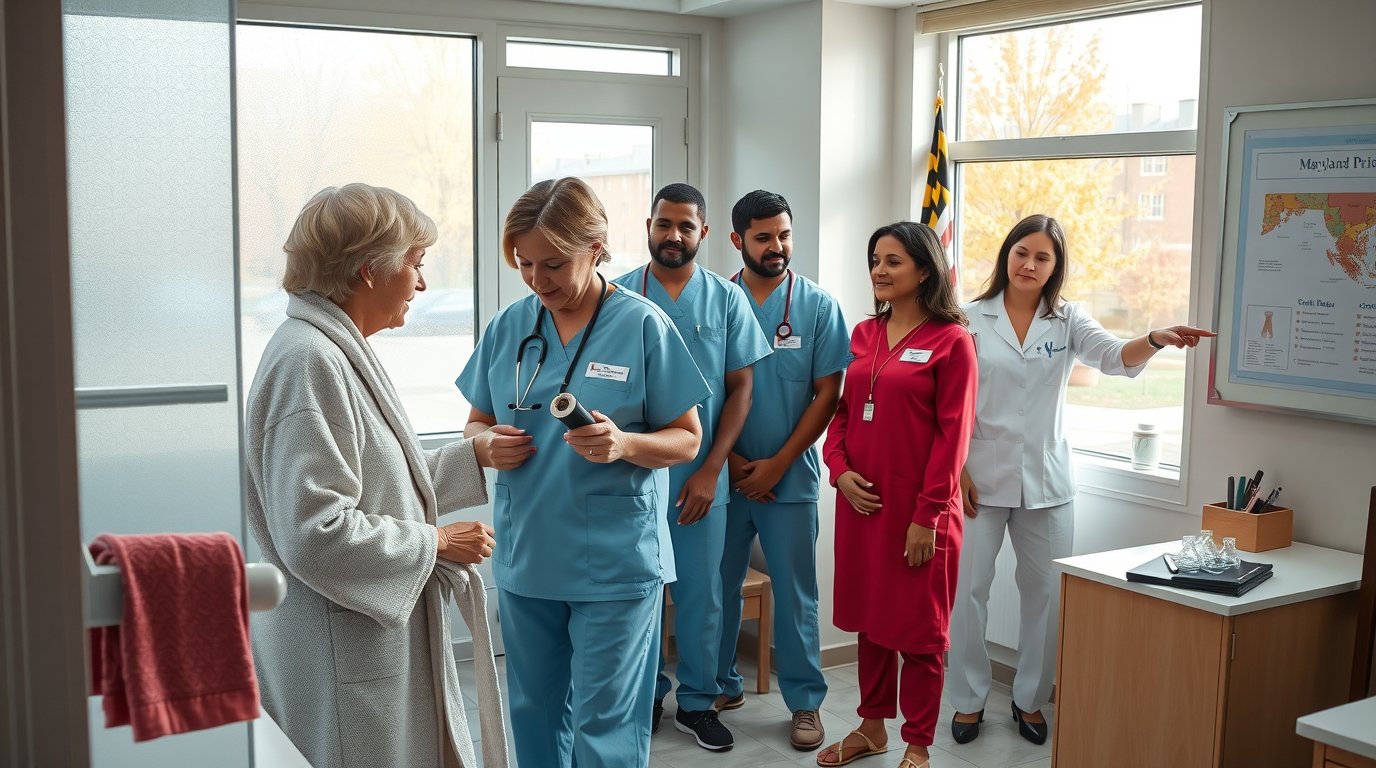
A group of aspiring CNAs in a Maryland classroom, practicing transfer techniques on mannequins under instructor guidance, with state flags and medical charts on walls.
MD’s HCSA licensing demands personal care assistants MD tie to certified agencies for home care, ensuring compliance. In high-density areas like Prince George’s, licensed CNAs address cultural needs—multilingual training for diverse families. Rural Eastern Shore? Their mobility expertise counters isolation.
Stats affirm: Home care workers face 2x national injury rates, but licensed CNAs mitigate via protocols—reducing violence (up to 41% reported) through de-escalation. AAPACN emphasizes home-based violence prevention, where CNAs’ reporting shines.
Story time: In Bethesda, retiree Helen hired unlicensed help—leading to a med error and hospitalization. Switching to our licensed CNA home care, incidents vanished. “It’s security I sleep with,” she says—content that ranks by evoking relatability.
Licensed CNA home care isn’t expense—it’s economy. Fewer crises mean lower Medicare costs; peace of mind? Priceless. As shortages loom, agencies like Minasville prioritize certified talent, offering flexible personal care assistants MD from hourly to live-in.
For “why” seekers, this builds authority: Licensed pros evolve careers, per NurseJournal, sustaining quality.
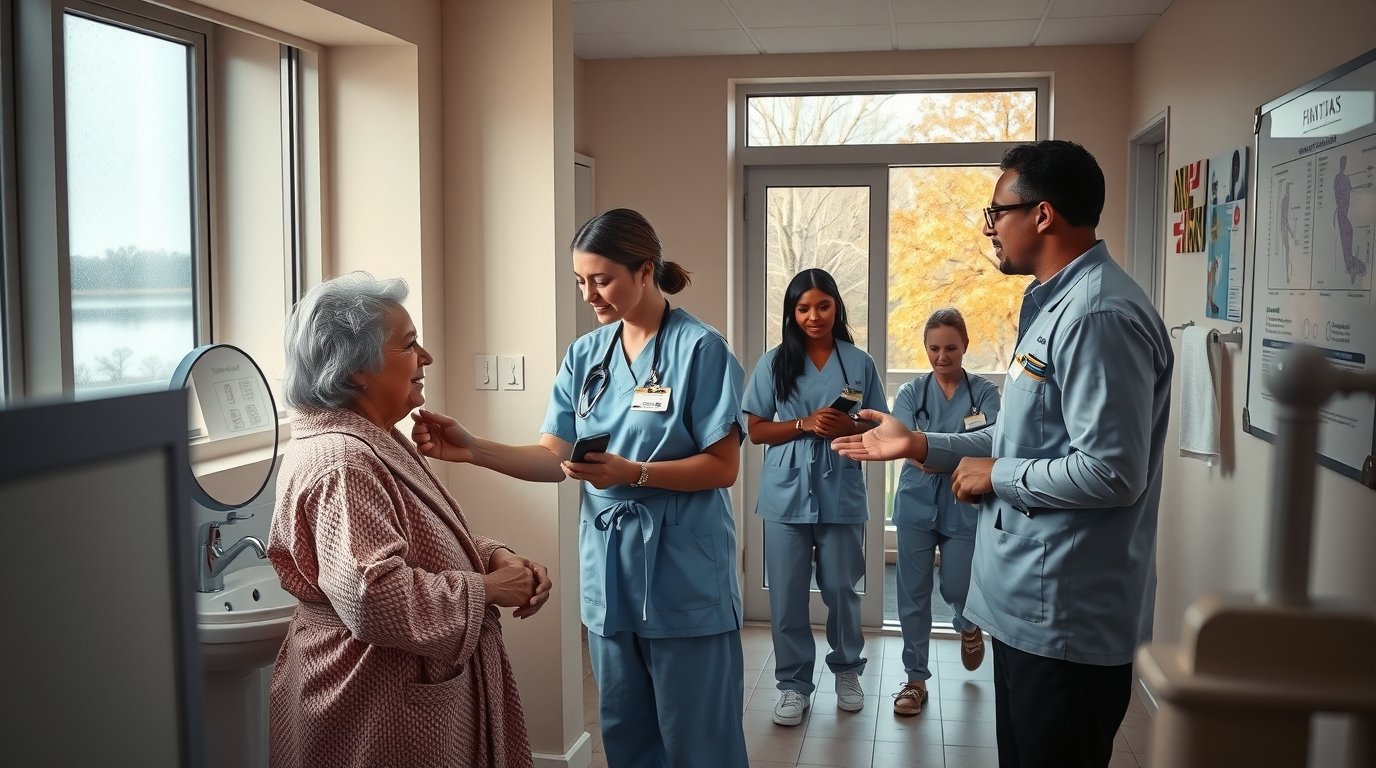
Family with CNA Image 3: A happy Maryland family picnicking in a park, with a licensed CNA assisting the grandmother in a wheelchair, spring blooms and bay views in the background.
Why settle for risks when licensed CNA home care guarantees safety? For personal care assistants MD, it’s the gold standard—trained, accountable, compassionate.
Request a licensed CNA consultation or call (703) 544-9938. At Minasville, safe care starts here.
Why do you prioritize licensed help? Share your “why” below!
Tags: licensed CNA home care, personal care assistants MD, why hire certified aide, safe in-home care Maryland, CNA benefits seniors