
Trend 1: AI and Remote Monitoring Take Center Stage
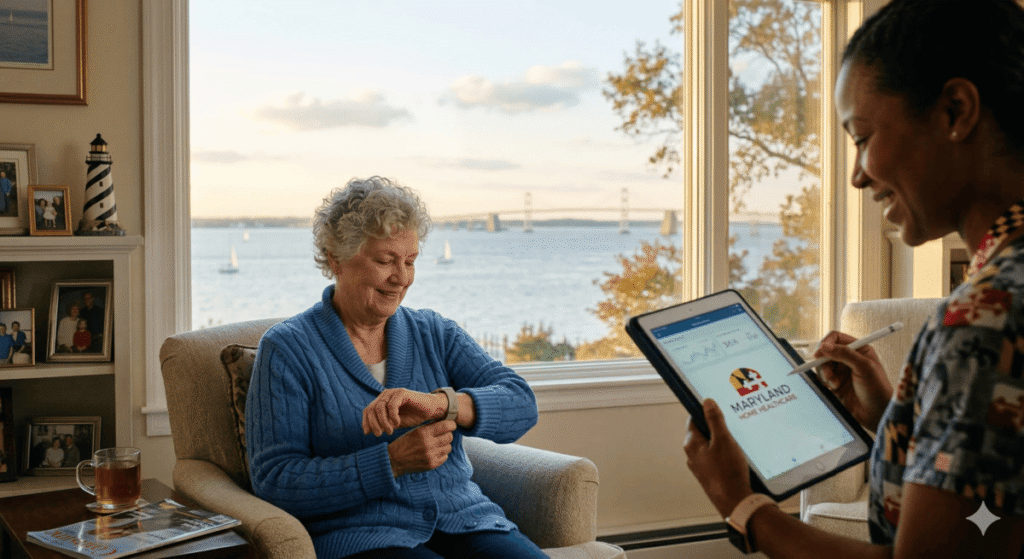
By mid-2026, AI is no longer experimental—it’s essential. Unified platforms with AI agents now handle scheduling, predictive analytics for falls or flare-ups, and automated documentation, easing the administrative burden that consumes 40% of caregiver time. In Maryland, remote monitoring devices (wearables tracking vitals) are integrated into 60% of home health plans, per recent state data, reducing hospital readmissions 30-40%.
Prediction for MD: Hospital-at-home models, extended federally to 2030, will explode in urban areas like Baltimore and Montgomery County. Patients with chronic conditions receive IVs and monitoring at home via telehealth, cutting costs 50% vs. traditional inpatient care. Minasville already deploys AI-assisted dashboards—expect full adoption statewide by late 2026, making future of senior care proactive rather than reactive.
Trend 2: Workforce Innovation Amid Persistent Shortages
Maryland faces a deepening eldercare crisis: Demand for caregivers will outpace supply by 25% in 2026 due to retirements and immigration constraints. Yet innovation counters this—AI-driven scheduling, fair-pay incentives, and hybrid roles (e.g., tech-savvy CNAs) are retaining 20-25% more staff.
2026 MD Prediction: State initiatives like Longevity Ready Maryland and expanded training grants will create 500+ new positions, with agencies offering immigration pathways and mental health support. Higher-acuity care (cancer, post-op) moves home, requiring specialized aides. At Minasville, our rapid-placement model already fills 95% of urgent needs—expect statewide workforce redesigns to make home care the career of choice.
Trend 3: Value-Based Care and Payment Evolution
CMS’s CY 2026 Home Health PPS rule brings a net 1.3% Medicare adjustment nationally, but Maryland Medicaid home health rates rose 2.4% effective January 1, 2026 (market basket update minus productivity). The AHEAD model demands $525 million in Medicare savings this year, pushing agencies toward outcomes-based pay.
Prediction: By year-end, 50%+ of Maryland home health revenue will tie to value-based metrics (readmissions, patient satisfaction). Medicaid’s HCBS expansion continues, with Community First Choice funding more hours for aging-in-place. Agencies like ours thrive by proving ROI—telehealth and AI deliver measurable results, positioning Maryland as a leader in affordable senior care.
Trend 4: Aging in Place and Hospital-at-Home Expansion
Over 85% of Maryland seniors want to age at home. 2026 accelerates this: “Housing is Healthcare” initiatives link climate-resilient homes with tech (smart sensors, EVV compliance). Hospital-at-home programs grow 40%, treating complex cases remotely.
MD-Specific Outlook: Rural Eastern Shore gains from telehealth mandates; urban centers see personalized plans via data analytics. Non-skilled support pairs with skilled nursing for holistic recovery—our non-skilled aides already complement RNs, reducing isolation while cutting costs 30%.
Trend 5: Personalized, Holistic, and Equity-Focused Care
Future care is human-centered: Cultural matching, mental health integration, and family involvement. 2026 sees “social prescribing” (companionship alongside medical) and holistic support for diverse populations in Prince George’s and Baltimore.
Prediction: AI personalizes plans, but empathy rules—agencies with strong training (like Minasville’s) will dominate. Equity focus: Multilingual aides and low-income subsidies via Medicaid waivers ensure no one is left behind.
| Trend | 2026 MD Impact | Prediction & Opportunity |
|---|---|---|
| AI & Remote Tech | 60% adoption; 30% fewer readmits | Hospital-at-home standard; Minasville leads with dashboards |
| Workforce Innovation | 25% shortage gap; new grants | AI scheduling + fair pay; 500+ jobs created |
| Value-Based Payments | 2.4% Medicaid rate boost; AHEAD savings | Outcomes-driven revenue; 50% shift by year-end |
| Aging in Place | 85% preference; HCBS growth | Tech-enabled homes; rural telehealth surge |
| Personalized Care | Equity focus; holistic models | Cultural matching; mental health integration |
This table highlights how home healthcare trends 2026 MD converge for better outcomes.

Real Stories: Maryland Leading the Future Today
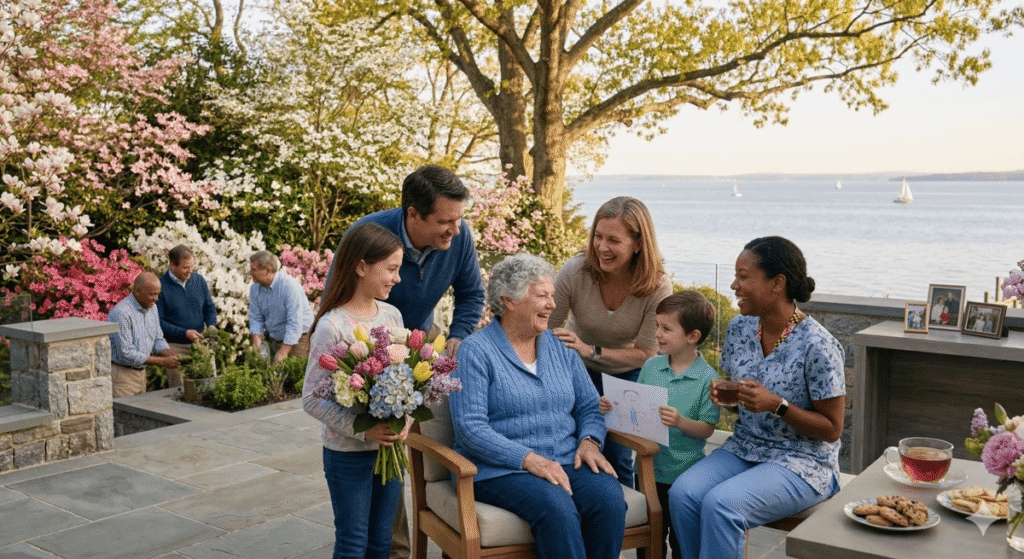
In Towson, 78-year-old Maria with COPD uses our AI-monitored oxygen setup—hospital stays down 50%. “I feel safe at home,” she says.
In rural Garrett County, a family leveraged hospital-at-home post-surgery: Non-skilled aides + telehealth nursing kept recovery local. “No more drives to Baltimore,” the daughter notes—proving future of senior care is already here.
Minasville’s 2026 pilots blend all trends: 95% satisfaction, positioning us as your forward-thinking partner.
Positioning Maryland as a National Leader
By December 2026, expect home healthcare trends 2026 MD to include full AI integration, expanded hospital-at-home, and workforce stability. Challenges like payments persist, but opportunities abound—Minasville is ready with 24/7 services, insurance navigation, and tech-forward care.
The future isn’t coming—it’s here. Aging in place, empowered by innovation, will define Maryland senior care.
Get a free 2026 home care assessment or call (703) 544-9938. Minasville: Building Maryland’s home health future today.
What trend excites you most for future of senior care? Share below!
Tags: home healthcare trends 2026 MD, future of senior care, Maryland home health predictions, AI in home care 2026, aging in place Maryland