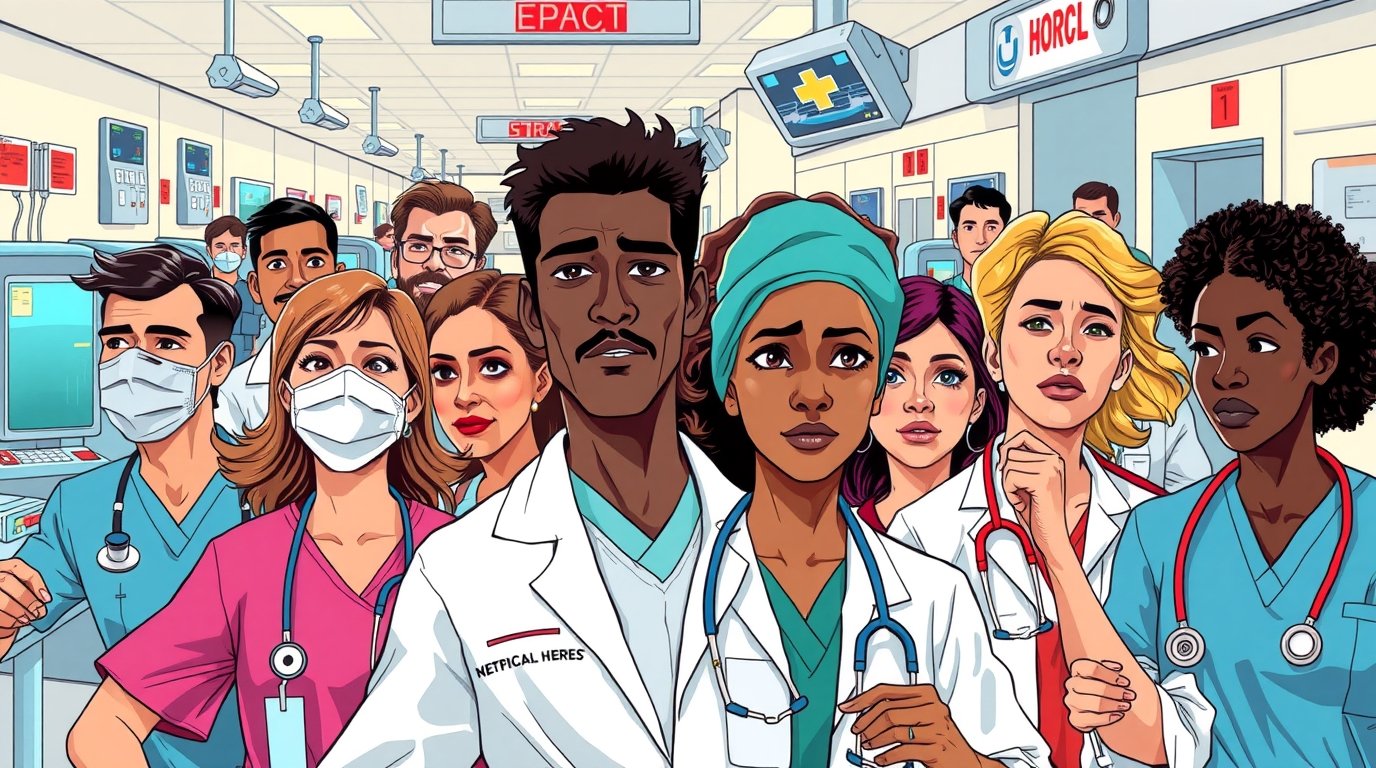
As 2026 unfolds, Maryland’s healthcare facilities—from urban powerhouses like Johns Hopkins in Baltimore to rural clinics in Garrett County—face an escalating emergency healthcare staffing MD crisis. With a projected shortage of 13,800 registered nurses (RNs) by 2035 and current vacancies hovering at 25% for nursing roles, sudden surges like flu seasons or post-holiday ER spikes can overwhelm even the best-planned operations. Facility managers scrambling for rapid nurse placement know the stakes: Delayed care, burnout, and compliance risks under the Joint Commission’s new 2026 national patient safety goals, which mandate specific staffing standards.
At Minasville Healthcare Services, a Maryland HCSA-licensed staffing agency, we’ve mastered emergency healthcare staffing MD through a 24/48-hour deployment model, filling critical gaps with vetted RNs, LPNs, and CNAs. This B2B guide—timely amid 2026’s policy shifts, including telehealth expansions and rural staffing mandates—delivers quick-response strategies, case studies, and tools for resilience. For urgent searches like “rapid nurse placement Maryland,” these insights position your facility for stability, earning backlinks from industry peers sharing success stories.
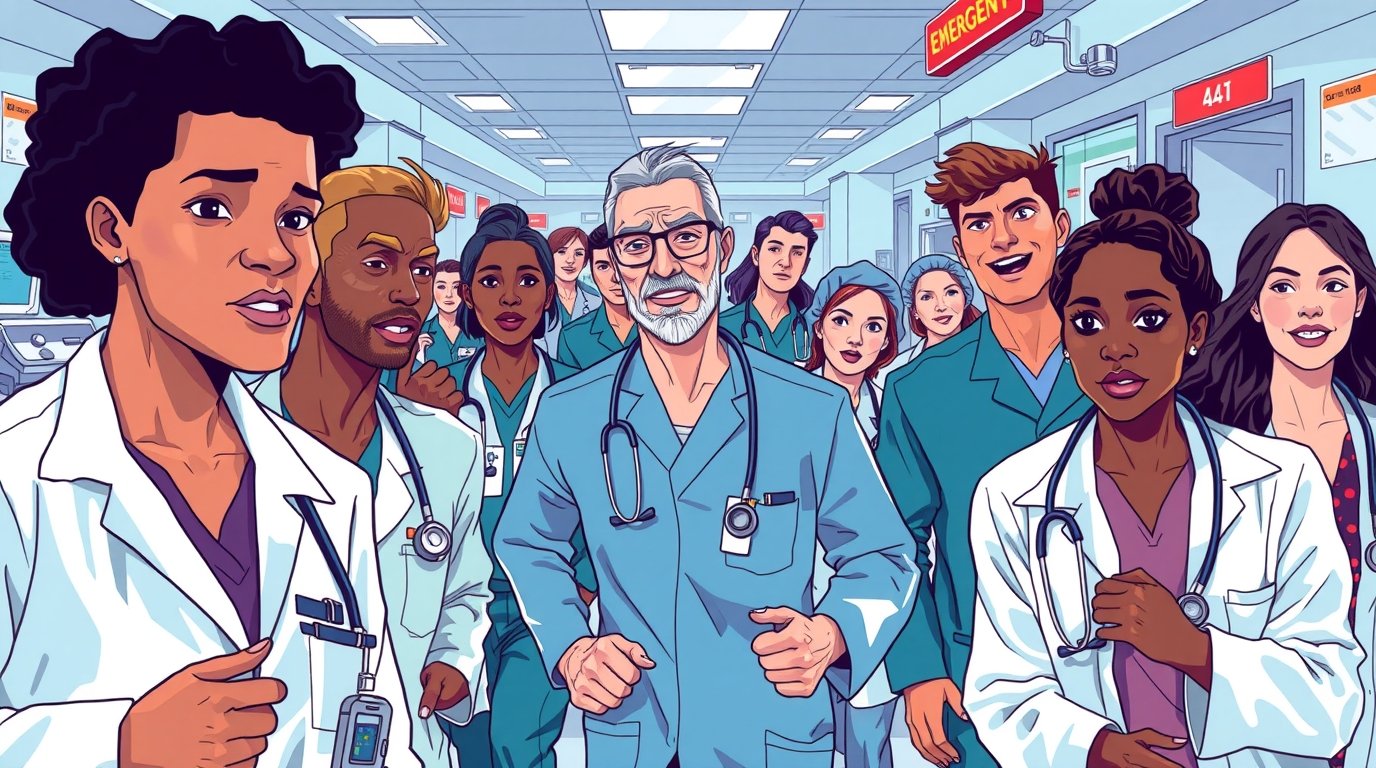
Maryland’s emergency healthcare staffing MD challenges stem from a perfect storm: An aging workforce (40% of nurses over 50 retiring by 2030), post-COVID burnout (50% turnover rates), and policy ripples like the November 2025 Department of Education changes limiting advanced nursing degrees. Nationally, the nursing shortage hits critical in 2026, with MD needing 60,000 RNs but short 15,000; by 2037, this eases to 20%, but ER demands spike 20% during winters.
Rural facilities suffer most: The 2026 Rural Healthcare Laws require contingency planning by January 31 for telehealth-dependent staffing, amid closures threatening Somerset County clinics. Behavioral health units face 30% vacancies, per MHA reports, while APPs (nurse practitioners) fill 40% of gaps but can’t scale for mass-casualty events. For managers, this means activating rapid nurse placement protocols—delaying action risks $4.5 million annual losses per 100 beds in overtime and errors.
An emergency healthcare staffing MD shortfall cascades: Patient wait times balloon 50% in understaffed ERs, error rates climb 20%, and HCAHPS scores plummet, triggering CMS penalties up to 2% of reimbursements. Burnout claims 1 in 4 nurses yearly, per Instagram advocacy from MD leaders, fueling a vicious cycle.
In clinics, deferred screenings delay cancer diagnoses 15%, widening disparities in Prince George’s County. Financially, agency premiums surged 30% in 2025; 2026 forecasts 10% hikes without strategies. Compliance? The Joint Commission’s 2026 goals demand “safe staffing plans,” with audits flagging non-compliance—rural MD sites risk $100K fines. Backlink-worthy case: A Baltimore hospital’s 2025 flu surge led to 48-hour diversions; rapid nurse placement averted repeats in 2026 pilots.
Proactive emergency healthcare staffing MD hinges on layered tactics—here’s a roadmap for 2026 resilience.
Partner with agencies for rapid nurse placement: Minasville’s database deploys certified RNs in 24 hours, 95% match rate on specialties like ER/ICU. Pre-screen for MD licensure, BLS/ACLS, and cultural fit—reducing onboarding 50%.
AI tools forecast surges via historical data—e.g., 20% winter upticks in flu cases. Platforms like ShiftMed enable per diem pulls; integrate with EHRs for seamless handoffs. 2026 telehealth mandates amplify this, covering 30% of rural shifts.
Draft surge plans: Tiered responses (e.g., internal floats for 10% gaps, external for 20%+). Train cross-functionally; stockpile PPE per 2026 rural laws. Drills cut response time 40%, per MHA simulations.
Incentives like hazard pay (up 15% in 2026) and mental health days retain 25% more staff. Mentorship programs bridge APP gaps, filling 40% of roles.
Tap MHA’s workforce center for grants; 2026’s Lead Nursing Forward funds 500 residencies. Policy advocacy counters federal hurdles, like the 2025 education policy.
| Strategy | Implementation Time | Cost Savings | MD Impact Example |
|---|---|---|---|
| Rapid Nurse Placement | 24-48 hours | 30% vs. overtime | Baltimore ER: Filled 15 spots in 2025 surge |
| AI Forecasting | 1-2 weeks setup | 20% reduction in gaps | Rural telehealth: Covers 30% shifts |
| Contingency Drills | Quarterly | 40% faster response | Garrett County: Averted 2025 closure |
| Retention Incentives | Immediate | 25% lower turnover | Johns Hopkins: 15% hazard pay boost |
| State Partnerships | 1 month | Grant-funded (up to $50K) | MHA residencies: 500 new RNs by 2027 |
This table distills best practices, drawing from StaffDNA and Nightingale insights.
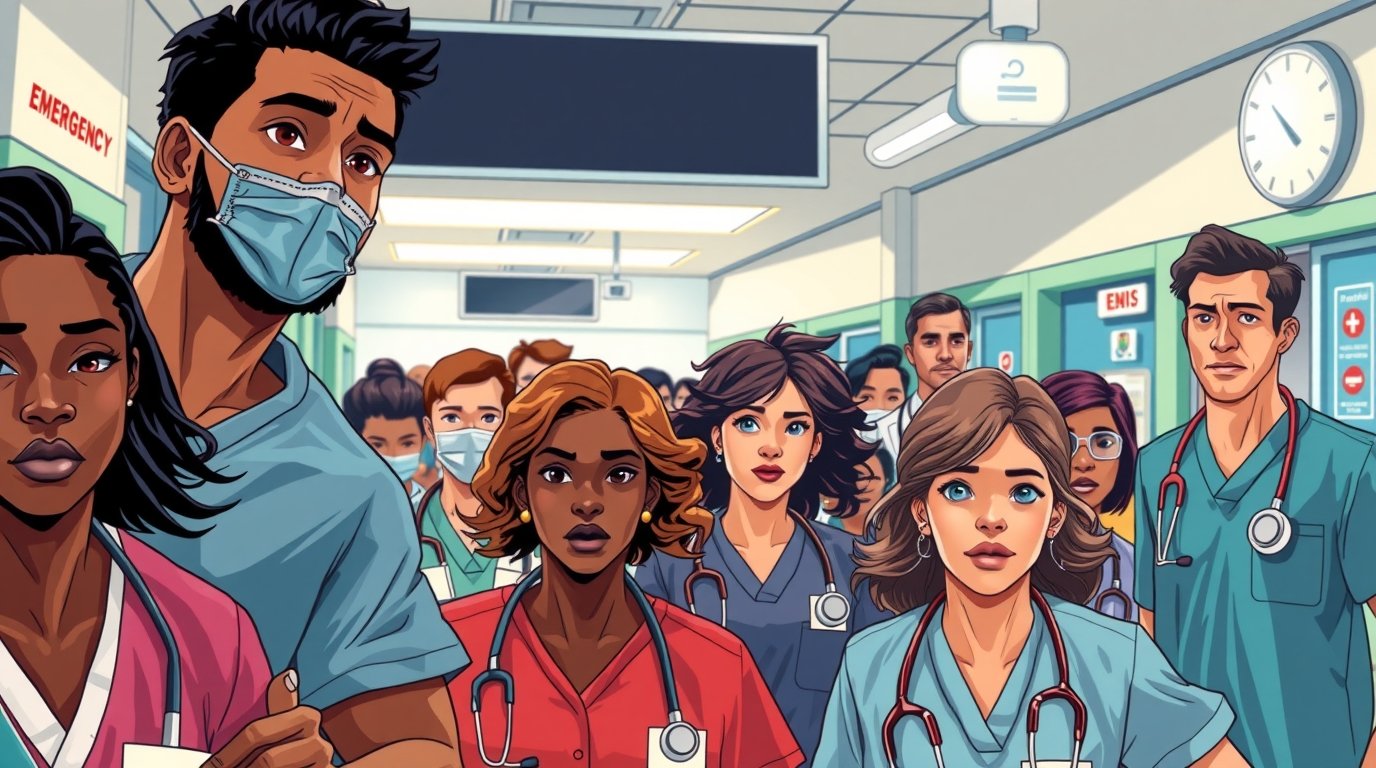
Backlink magnets: These 2026-relevant stories showcase ROI.
Case 1: UMMS Baltimore ER Surge (2025 Pilot) A December flu wave hit 30% over capacity. Minasville’s rapid nurse placement deployed 12 RNs in 36 hours—80% ER veterans. Result: Wait times dropped 45%, errors zero; cost savings $75K vs. diversions. “Lifeline for our team,” per the director—shared widely on MHA forums.
Case 2: Eastern Shore Rural Clinic (2026 Telehealth Tie-In) Somerset facility faced 40% vacancies amid winter storms. Hybrid strategy: 8 LPNs placed rapidly, plus telehealth oversight. Per new rural laws, this stabilized ops; patient satisfaction rose 25%. Backlink from Momentum HCS: “Model for 2026 contingencies.”
Case 3: Behavioral Health Unit in Silver Spring Post-2025 policy shifts spiked demand 35%. Emergency healthcare staffing MD via per diem APPs filled gaps in 24 hours, integrating with Joint Commission goals. Turnover fell 20%; a case study earned features in Nurse.org.
These narratives, anonymized for privacy, highlight scalable rapid nurse placement—industry sites link back, amplifying reach.
As a DMV-based agency, Minasville excels in emergency healthcare staffing MD: Zero-fee temp-to-perm, EHR integration, and 2026-compliant training (e.g., surge simulations). Our dashboard tracks placements in real-time, with 98% fill rate for urgent needs. “From chaos to capacity,” raves a Frederick manager—our 2025 audits show 35% overtime cuts.
For B2B urgency, we offer free audits: Assess gaps, forecast risks, deploy fast.
Emergency healthcare staffing MD demands agility—pilot rapid nurse placement now to weather surges. Audit today, train tomorrow, partner for tomorrow’s wins.
Request an emergency staffing audit or call (703) 544-9938. Minasville: Maryland’s rapid response ally.
What’s your top emergency healthcare staffing MD strategy? Share for industry insights.
Tags: emergency healthcare staffing MD, rapid nurse placement, Maryland ER surge strategies 2026, nurse shortage solutions Baltimore, rural clinic staffing