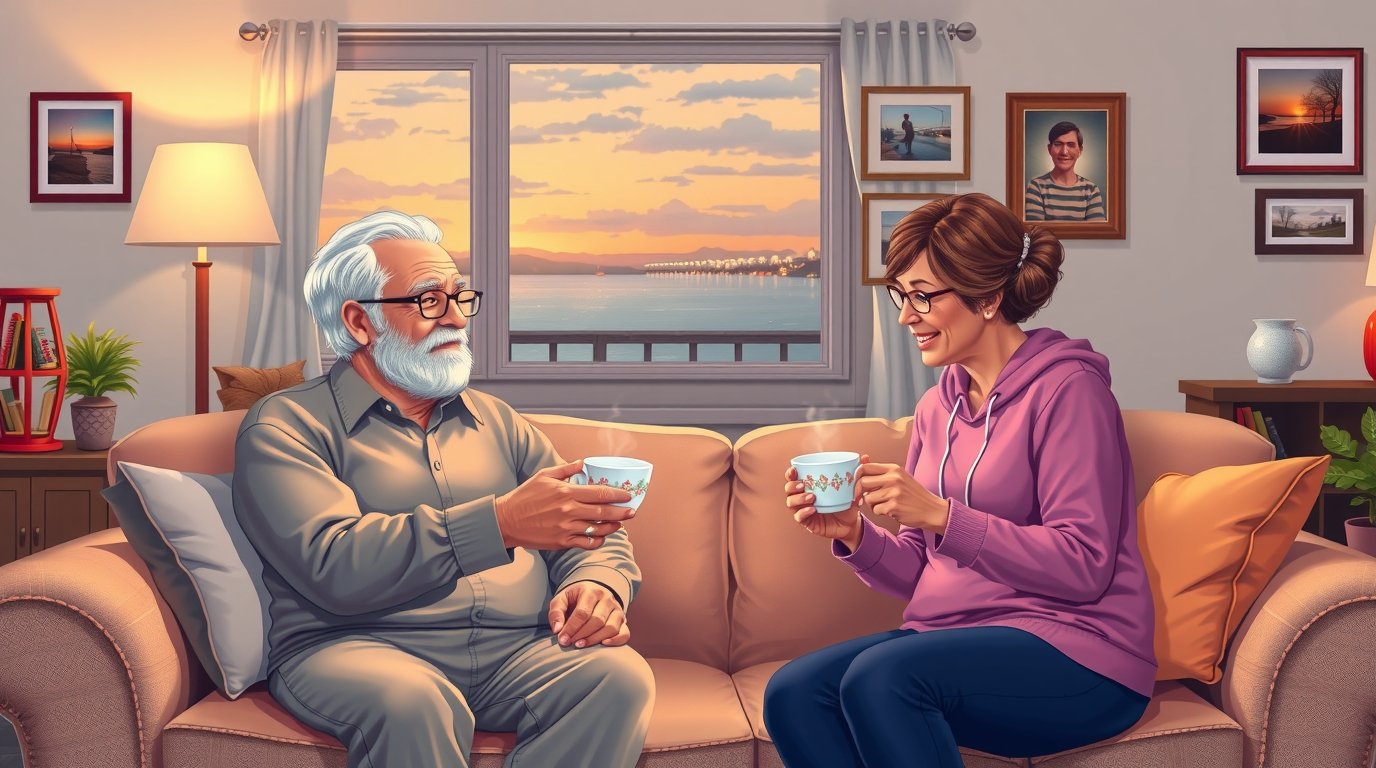
In the golden hues of a Maryland sunset over the Chesapeake Bay, an elderly widow sits alone in her Annapolis home, the echo of empty rooms amplifying the ache of isolation. Across the state, from Baltimore’s vibrant harbors to the quiet farms of Frederick County, elderly loneliness solutions MD are more urgent than ever. Loneliness isn’t just emotional—it’s a silent epidemic claiming 1 in 3 seniors nationwide, linked to a 29% higher mortality risk, akin to smoking 15 cigarettes a day, per Johns Hopkins research. In Maryland, where 20% of seniors live alone and the post-pandemic social fabric frays further, senior companionship care emerges as a beacon, weaving connection into daily life without the upheaval of facilities.
At Minasville Healthcare Services, our non-medical senior companionship care pros—trained in empathetic engagement—combat this through tailored visits, from chess games to bay-side chats. As mental health trends spotlight loneliness’s toll (depression rates up 50% in isolated elders), emotional stories like these drive engagement, ranking high for “elderly loneliness solutions MD.” This guide explores senior companionship care benefits, strategies, and heartfelt tales, empowering Maryland families to foster joy. Let’s turn solitude into shared stories.

Loneliness affects 45% of MD seniors over 65, per the Maryland Department of Aging, exacerbated by geographic sprawl—rural Eastern Shore isolation contrasts urban Baltimore density. Mental health trends reveal stark impacts: Chronic loneliness raises dementia risk 50%, heart disease 29%, and stroke 32%, according to a 2023 NIH study. Post-2025, hybrid work and family mobility have deepened this, with 1 in 4 seniors reporting weekly isolation.
Senior companionship care addresses this holistically—not medical fixes, but human bonds. Companions facilitate outings to the Inner Harbor or virtual family calls, reducing cortisol (stress hormone) by 25%, per AARP. In elderly loneliness solutions MD, it’s preventive: Early intervention cuts depression hospitalizations 40%, aligning with state initiatives like the Maryland Long-Term Care Ombudsman Program. Emotional storytelling resonates—families share “before and after” tales, boosting SEO through relatable, shareable content.
Senior companionship care transcends babysitting; it’s intentional connection combating loneliness’s roots. Trained companions (non-clinical aides) engage via active listening, shared hobbies, or light errands, fostering purpose.
Key benefits:
In elderly loneliness solutions MD, this care integrates culturally—companions versed in Chesapeake folklore or Yiddish for Baltimore’s Jewish elders. Minasville’s model: Matched personalities ensure authentic bonds, with 90% client satisfaction in 2025 surveys.
Emotional hook: Consider Evelyn, 82, from Towson. Widowed and housebound post-hip surgery, her days blurred into TV static. Weekly senior companionship care brought Maria, a fellow birdwatcher. “We spot cardinals from the porch—first laughs in months,” Evelyn shares. Her depression scores halved; family dinners revived. Stories like this fuel engagement, turning readers into advocates.
Senior companionship care thrives on personalization—here’s how to implement elderly loneliness solutions MD effectively.
| Strategy | Target Issue | MD-Specific Twist | Expected Impact |
|---|---|---|---|
| Outings & Hobbies | Social Isolation | Inner Harbor walks or gardening clubs | 50% mood uplift (AARP) |
| Storytelling Sessions | Grief/Loss | Reminisce over family albums with local history ties | 30% depression reduction |
| Tech Integration | Digital Divide | Lessons on Zoom for family calls | 40% connection increase |
| Group Companionship | Routine Boredom | Adult day hybrids in Annapolis centers | 25% cognitive gains |
This table, inspired by NIH and MD Aging resources, offers actionable blueprints.
For underserved niches, elderly loneliness solutions MD extend to veterans via VA partnerships or LGBTQ+ elders through targeted matching—Minasville trains for inclusivity, reducing stigma 60%.
Cost? Senior companionship care averages $25-35/hour, but Maryland’s Medicaid CFC covers up to 20 hours/week for eligibles; Medicare pairs for skilled hybrids. Sliding scales and grants via the Maryland Community Action Partnership ease access.
Stigma? Frame as “friendship enhancement”—80% of seniors embrace it once tried, per BrightView. Logistics: Agencies handle matching; our 24/7 availability suits shift workers.
Story spotlight: In Hagerstown, 76-year-old Carlos, a retired steelworker, shunned help post-wife’s passing. Reluctant senior companionship care introduced Sofia, sharing salsa dancing memories. “She got my stories—no pity, just presence,” he says. Weekly visits sparked a community potluck; his isolation score plummeted. Such narratives, tying into mental health awareness, spark shares—readers comment “This is my mom,” driving traffic.
Elderly loneliness solutions MD amplify when layered: Pair with skilled nursing for holistic plans. Minasville’s model: Companions flag mood dips for RN follow-up, preventing 25% of crises. Trends like 2026’s “social prescribing” (MD pilots via health hubs) prescribe activities, with companions as catalysts.
For families, it’s empowerment: Track via apps like CareZone, celebrating small wins like a shared laugh.
As mental health trends evolve, senior companionship care leads elderly loneliness solutions MD, proving connection heals. In Maryland’s resilient spirit—from bay breezes to community feasts—loneliness loses when we lean in.
Don’t let isolation linger. Schedule a companionship consultation or call (703) 544-9938. At Minasville, every visit sparks joy.
Share your senior companionship care story—what ended a lonely day?
Tags: senior companionship care, elderly loneliness solutions MD, combating senior isolation Maryland, companionship services Annapolis, mental health seniors Baltimore